A Delicious Holiday Treat

A Delicious Holiday Treat

(From the South Beach Diet- Phase 2)

This tasty twist on the traditional apple crisp is the perfect ending to any holiday meal. Made with fresh apples and dried cherries, it’s a healthy way to enhance the holidays.

Holiday Apple Crisp

Description
Warm and fruity, this seemingly familiar apple crisp is spiked with sweet and tangy dried cherries. Fresh or dried, cherries contain impressive amounts of antioxidants, as well as soluble fiber and potassium. Ounce for ounce, dried cherries are higher in nutrients than their fresh counterparts, but they also have more calories, so it’s best to enjoy them in moderation — as you will here.

Prep time: 20 minutes
Cook time: 45 minutes

Makes 12 (1-cup) servings

Ingredients
1/4 cup unsweetened dried cherries
1/2 cup water
1/2 cup old-fashioned rolled oats
1/2 cup trans-fat-free margarine
1/2 cup whole-grain pastry flour
1/4 cup plus 2 tablespoons granular sugar substitute
2 tablespoons ground cinnamon
9 Granny Smith apples, sliced (9 to 10 cups)
2 tablespoons fresh lemon juice

Instructions
Preheat oven to 350°F. Lightly coat a 9″ by 13″ baking dish with cooking spray.

Place cherries and water in a bowl, and soak cherries until ready to use. Meanwhile, combine oats, margarine, 1/4 cup of the flour, 1/4 cup of the sugar substitute, and 1 tablespoon of the cinnamon in a medium bowl; stir until mixture is crumbly.

Toss apples and lemon juice together in a large bowl. Add remaining 1/4 cup flour, 2 tablespoons sugar substitute, and 1 tablespoon cinnamon; stir to combine.

Place apples in baking dish. Pour cherries and soaking water over apple mixture; toss gently to combine. Sprinkle oat topping evenly over fruit. Bake until apples are tender, about 40 minutes. Serve warm.

Nutritional information
Per (1-cup) serving:
150 calories
7 g fat (2 g sat)
23 g carbohydrate
1 g protein
5 g fiber
60 mg sodium

Clifta won the 2010 INBA Team USA!

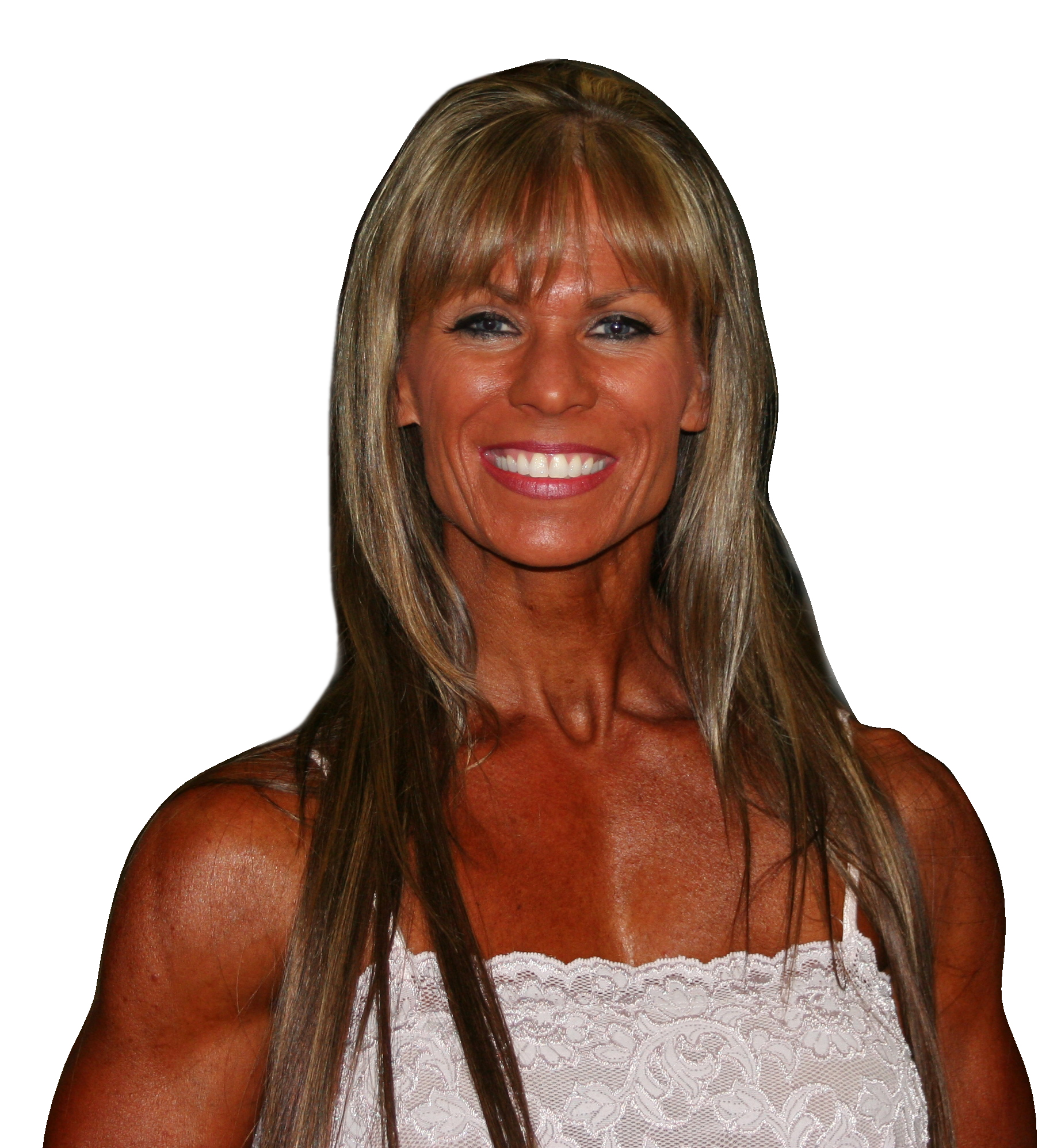
Reno Personal Trainer, Clifta Coulter Perez, won the 2010 INBA Team USA on September 25, 2010 in Las Vegas Nevada.

So… what’s next??? Clifta is preparing for the biggest show of her life… the 2010 INBA Natural Olympia. To be held in Reno, Nevada at the Grand Sierra. Here Clifta is posing and flexing her muscles after a great workout! Weight 100.6 lbs.

Make Over Your Bedroom for Better Sleep

This is one of my things that I'm working on.
Getting more and better sleep so I thought this
article was a good one... and one that I thought
I'd share with you.
___________________________________________

Make Over Your Bedroom for Better Sleep

A simple bedroom makeover, starting with a comfortable bed, can help you sleep better and through the night.


By Diana Rodriguez


Sometimes it takes more than being tired to fall asleep. Relaxation techniques can help you sleep more soundly, but don’t stop there. Creating the right atmosphere in your bedroom will also lead to better sleep.
Better bedroom environment

The ultimate sleep setting starts with a comfortable bed — good pillows and a blanket or comforter make your bed more inviting. You also want to set the right mood to help you sleep.

The Root of Sleep Problems

People have trouble sleeping for many reasons. Barbara Phillips, MD, director of the University of Kentucky Good Samaritan Sleep Center in Lexington, speculates that sleep problems may have to do with human instinct and the need to survive.

“Difficulty sleeping is a normal reaction to stress and to an unhealthy or dangerous environment,” Dr. Phillips says. This probably gave our ancestors a survival advantage when the greatest risk to their well-being was being attacked at night, whether by saber-toothed tigers or enemy tribes.

How does that affect your sleep today? “We are probably hardwired not to sleep as well when there are problems in our lives,” says Phillips. “This may be part of the reason that insomnia is often associated with stress, depression, and anxiety.” Being physically uncomfortable when trying to sleep can make it even harder.

How to Sleep Well: Creating Your Sleep Haven

The right sleep environment is essential to set the stage for better sleep. Give your bedroom a makeover with these tips:

  • Set an appropriate noise level. Certain sounds may annoy you at night, while having your room too quiet can also affect your ability to sleep. White noise is purposeful noise — usually a steady, low-level background sound — that blocks out distracting sounds. Try running a fan at night or playing a CD of soothing sounds, like rain or ocean waves — whatever relaxes you.
  • Check the temperature. It can be difficult to sleep in a room that’s too hot or too cold. The right temperature depends on your personal comfort level. Find out what makes you most comfortable in bed so that you don’t wake up sweating or shivering.
  • Make a comfortable bed. When you slip into bed at the end of a long day, it should feel welcoming, luxurious, and relaxing. Clean, soft sheets, blankets or a comforter, and pillows are a given. But also make sure that your mattress is in good shape and has the level of firmness you need.
  • Turn out the lights. Exposure to plenty of sunlight during the day can help you sleep better at night, but you want your room as dark as possible while you sleep. Hang curtains or shades designed with a backing material that blocks outside lights and early morning sunlight, or consider sleeping with an eye mask.
  • Limit bedroom activities. When you work, watch TV, or play on the computer in bed, it stimulates you and negatively affects your ability to sleep. Learning to associate your bedroom with only sleep and sex will help you fall asleep and sleep better when you’re in your bed.
  • Give yourself some space. Partners, cats, and dogs can lay claim to space on your bed, snore, and generally disrupt your sleep. If your partner’s snoring interferes with your sleep, talk about solutions to get it under control. If you have pets, consider keeping them out of your bedroom at night.

Sleep is a necessity, and it should be restorative. It can also be enjoyable. Create a tranquil sleep environment so that you can sink into a deep, restful sleep easily each night.

Adjust Your Weight-Loss Strategy With Age

I thought this was a great article. :)

——————————————————————–

Adjust Your Weight-Loss Strategy With Age

Learn how aging affects weight loss and the best ways to modify your fitness plans to adjust to changes in your metabolism.

By Madeline Vann, MPH

As you get older, your body doesn’t respond the same way to weight-loss efforts. This aggravating phenomenon occurs primarily because your metabolism is slowing down and you need fewer calories each day. Here’s how to adjust to get back on track.

Weight Gain and Aging: What’s Going On?

“The 40s are very different from the 30s, and the 50s are very different from the 40s as far as your metabolism,” observes longtime dieter Frances Simon of New Orleans. Simon turns 55 this year and says that number is causing her to get serious about achieving her weight-loss goals. “It seems like it’s harder and harder. But, boy, I remember when I was in my 20s — admittedly I was a lot more active, but I had a lot more energy then, too. I would go out dining and drinking a lot when I was in my 20s, but now in my 50s there is no way I would do that. It’s easier for the weight to come on than to try taking it off.”

Simon’s experiences are not unique. With menopause you may find your waist expands a bit, your muscles lose their tone, and you get new fat deposits. Researchers have yet to uncover the reason for these physical changes, but suspect that rapidly shifting hormones affect your body’s makeup.

While the factors that lead to weight gain as we age are the same for men and women (with the exception of menopause), national health data shows that men over age 65 are slightly more likely than women to be overweight. In fact, 76 percent of men ages 65 to 74 are obese, compared to 71.5 percent of women in that age group.

Weight Gain and Aging: Your Changing Body

Here are some of the contributing factors to your unwanted weight gain:

You’re burning less energy. “As you get older, you don’t need as many calories. Part of that is a little bit slower metabolism, but part of it is you’re not rushing around as much. You can’t believe how many calories you don’t need,” says Donna L. Weihofen, RD, MS, health nutritionist at the University of Wisconsin in Madison.

Weihofen says that learning to adjust your diet to your body’s changing needs is a gradual process. She gives her clients guidelines like switching to smaller portions and sharing at restaurants, especially if dining with a spouse who is having his own problems with weight gain.

You’re less active. Many people find they have less energy as they age, but you may also find that life is less demanding than it was in earlier years. Simon says that eating a Mediterranean-style diet, with an emphasis on fruits, vegetables, whole grains, and healthy fats, keeps her feeling full and gives her more energy to exercise.

However, she notes that there is another significant barrier to exercising for older women. “For people my age who want to exercise or get started exercising, I think it’s discouraging to go to a gym where there are lots of younger people,” she says. Simon’s goal is to attend Jazzercise three times a week, a class she enjoys because the participants are her age and older. “Some of those 60-year-olds look pretty fine, too!”

Weight Gain and Aging: How to Fight Back

A study of weight gain prevention in 284 women showed that women who maintained a healthy weight over a three-year period were more likely to:

  • Carefully monitor food intake
  • Avoid a loss of control of their diet (binging, for example)
  • Not feel hungry

The strategies for combating weight gain as you age are the same you’ve used before:

  • Count your calories
  • Eat a hunger-busting diet rich in fruit, vegetables, whole grains, and healthy fats
  • Keep fat intake below 30 percent of your calories
  • Be physically active, at least 30 minutes a day, five days a week (more if possible)

Aging doesn’t mean you are destined for weight gain — just step up your diet and exercise routine to stay on track!

The Sunshine Vitamin: Get Your Vitamin D

The Sunshine Vitamin: Get Your Vitamin D

Let the sun shine in! Experts say women aren’t getting enough vitamin D, an essential vitamin that helps the body absorb calcium and has been shown to decrease the risk of some diseases.

By Diana Rodriguez
Medically reviewed by Lindsey Marcellin, MD, MPH

More and more studies are showing how important vitamin D is to women’s health — and that many women aren’t getting enough of this essential vitamin.

Though you can up your levels through both your diet and supplements, soaking up a little sunshine is the best way to get vitamin D. But we’re also told to limit our time in the sun because of the damage it can do to our skin — so what gives? You can get your daily dose of vitamin D and protect your skin, too, so you don’t have to sacrifice any aspect of your health to give your body what it needs.

The Importance of Vitamin D

Vitamin D promotes the body’s absorption of calcium, a mineral that helps keep bones and teeth strong. Vitamin D also regulates the body’s calcium levels in the blood, as well as levels of the mineral phosphorus, which also helps to promote healthy bones and teeth.

Vitamin D deficiency can be serious, causing bones to deteriorate and weaken. In adults, a vitamin D deficiency can lead to the bone condition osteoporosis and, in children, it can cause rickets — soft and weak bones.

Although more research is needed, vitamin D also appears to have many other beneficial effects. Studies have shown that vitamin D in sufficient levels can help boost the immune system and possibly decrease the risk of getting some cancers.

Research shows that vitamin D deficiency may increase the risk of:

  • Broken bones
  • Breast cancer
  • Colon cancer
  • Autoimmune diseases, including multiple sclerosis and type 1 diabetes
  • Viral infections, such as the flu
  • High blood pressure

Where to Get Your Vitamin D

500 mg calcium supplement tablets, with vitami...

Image via Wikipedia

The body produces vitamin D, but it needs sunshine to do it right. You can also take a vitamin D supplement or get vitamin D from certain foods.

Foods rich in vitamin D include:

  • Fish, such as salmon, mackerel, sardines, and oysters
  • Vitamin D-enriched cereal
  • Some eggs (but the hens must have been given vitamin D)
  • Vitamin D-fortified orange juice
  • Margarine and butter
  • Vitamin D-fortified milk
  • Dairy foods including cream and cheese

The Vitamin D Conundrum

So just how much vitamin D do you need? It depends on your gender and age. Get too little vitamin D, and you’ll feel the effects of vitamin D deficiency. Too much of it — and your blood can contain too much calcium, harming your lungs and heart.

Here are the standard recommendations for vitamin D intake for women:

  • Age 14 to 50: 200 international units (IU)
  • Age 51 to 70: 400 IU
  • Age 71 and older: 600 IU

Many physicians are now testing vitamin D levels in their patients and finding that many women (and men) have low vitamin D levels. If your level is low, your doctor may recommend much higher supplement doses, often 1,000 to 2,000 IU a day.

How to Boost Vitamin D Levels

To get enough vitamin D from the sun, you need to spend about 5 to 15 minutes in the sun, just three times each week, without sunscreen. Too much sun exposure can cause sunburn and increase the risk of skin cancer, so make sure you limit your exposure. Also, you can expose your arms and legs, but you should always protect your face with sunscreen. If you don’t feel safe in the sun, turn to your diet and a vitamin D supplement to get the vitamin D you need.

Remember that you still need vitamin D in the winter. For many people, especially those in northern climates, it’s hard to get enough sun during those months, and a supplement may be necessary. African-Americans and others with darker skin tones may also be less able to absorb enough sunlight for sufficient vitamin D production from the sun alone.

Other Essential Vitamins

One of Vitamin D’s main roles is to help ensure that your body can absorb calcium, but you’ve also got to make sure you’re getting enough calcium so that vitamin D can do its job. You should try to get between 1,000 and 1,200 daily milligrams of calcium through diet or supplements (calcium supplements are available with vitamin D, enabling you to get both in one pill).

A daily multivitamin can also offer essential vitamins to help protect women’s health. Multivitamins usually contain vitamin D — often 200 IU or 400 IU — so be sure to read labels. Look for a multivitamin that also contains these vitamins:

  • Folate (folic acid) to help prevent anemia
  • Vitamin A to promote bone health and healthy cells
  • Vitamin B6 and B12 to prevent birth defects, some cancers, and heart disease
  • Vitamin C to prevent infection and promote collagen growth, which helps form healthy bones and teeth
  • Vitamin K, which helps blood to clot and promotes strong bones

Vitamins, including vitamin D, are an important part of women’s health. But still, be careful to limit unprotected sun exposure and to get enough dietary vitamin D or take a vitamin D supplement if you want an alternative to the sun.

Stressing Out, Gaining Weight, and Finally Losing It

A GREAT article that explains what happens to our bodies when we are stressed. I found this very interesting because I’ve been more stressed this last 6 weeks and it does affect you. This article explains how.

Stressing Out, Gaining Weight, and Finally Losing It

Your phone is ringing, breakfast is sizzling, and you’re trying to get the kids off to school — all the while getting ready to go to work yourself. Sound familiar, or are you stressed out just by reading these words? If you’re a living breathing human being, chances are you experience some type of daily stress. And it’s true: Stress can cause you to gain weight.

In fact, a recent study conducted by Susan J. Melhorn and colleagues from the University of Cincinnati College of Medicine, found that not only can stress can take a daily toll on you in terms of physical and psychological well being, but it can cause weight gain. According to recent studies, social stress — public speaking, tests, job and relationship pressures — may cause overeating and weight gain.” But you probably already knew that; stress makes many of us want to eat more.

You gain weight for two reasons:

Biological Interference: Biologically your body is designed for a “fight or flight” response to stress. So when you’re stressed, your body releases hormones to help you do either. And since you’re most likely not being chased by a saber tooth tiger, this response is not exactly helpful when your boss sends you a stressful email or you have an argument with your spouse.

What happens (in the most basic terms) is that your body releases chemicals when you’re stressed. The brain sends out a stress hormone called cortisol, which regulates energy by tapping into the body’s fat storage and protein, converting it into glucose and bringing it to muscles and to the brain. Additionally, it can move fat from storage depots and relocate it to fat cell deposits deep in the abdomen; researchers have shown that the abdomen is the best place for fast energy retrieval.

Cortisol may linger in your body long after the cause of the initial stress has passed and trick your body into thinking it has done something active in response to a perceived ‘threat.’ What’s even more surprising is that cortisol acts like a biological green light, which sends signals to your brain to refuel your body as soon as possible.

Eating Comfort Foods: When things are stressful, what can we do? How can we feel better? How about brownies, donuts, candy, ice cream, pizza, mashed potatoes, and fried chicken? This type of comfort food is always quick to the rescue in our time of need. Over the past year we’ve comforted ourselves by gravitating toward this kind of food, thinking, “You only live once, so I might as well enjoy myself now.” When tension and anxiety are high in one aspect of life, it’s not unusual for other areas to seem trivial or less important.

Why do we crave these foods? First of all, it’s what we’re used to having in times of discomfort. Parents gave you ice cream when you had a bad day at school. I know my parents did. I do it for my daughter. I can’t help it — she feels better.

Secondly, carbohydrates make you feel better by releasing the hormone serotonin, which is a brain chemical that makes you feel good. So those are the reasons, now what?

Here are a few tips to relax and stay healthy during stressful times:

  • Create a “Stress Snack Eating” Kit. Assemble an actual kit that has healthy snacks. Keep this kit around your office or at home and break out when needed. Make sure that you have portion controlled foods in there that are low in calories in case you over-indulge. Also put in a few non-food items, such as an iPod loaded with comedian sketches, a jump rope.
  • Keep Away Unhealthy Snacks. This becomes very important when you know you’re going to have a stressful day. Researchers have shown time and time again that snacks in sight are snacks that are eaten.
  • Enjoy Healthy Comfort Foods. My favorite is popcorn (made in a pan or air popped) made at home with a bit of butter spray, salt, and garlic. You can find more recipes in my column, Healthful Comfort Food Recipes for Rough Times.
  • Exercise the Stress Away. Yes, go out for a walk, take a spin class, go for a run — research shows that a bit of exercise can help you fend off unhealthy eating and reduce stress.

Article by… Charles Stuart Platkin, PhD


** 2 Supplements that I’ve found that help with stress and controlling your cortisol levels are… Estracort and Glutamine. I use these 2 supplements and they DO work really well.


Clifta Coulter Perez

Reno Personal Fitness Trainer

Weekend Splurging Done Right

By Madeline Vann, MPH
Medically reviewed by Christine Wilmsen Craig

Researchers tracking 48 adults in a weight program for a year found that they ate, on average, 200 calories more on Saturdays, the most dangerous day for weight management. Over time, those 200 extra calories add up to a few pounds gained over the course of a year — not the goal of a maintenance program!

While everyone deserves a day off, you need to be careful not to overdo it. You don’t want to consume too many calories and slip back into the patterns that caused your weight gain in the first place. Maintaining a healthy weight means keeping up with the smart eating habits and lifestyle changes that enabled you to drop those pounds in the first place. The lion’s share of your daily maintenance calories should be spent on nutritious foods every day.

Weekend Calories: Indulge in Moderation


“Sometimes we need it. If you have been really good during the week, it helps to know that at least one day a week you can eat those foods you are avoiding on those other days,” says Donna L. Weihofen, RD, MS, health nutritionist at the University of Wisconsin in Madison, Wisc.

So how do you splurge without destroying your healthy habits? Weihofen, who admits to having a sweet tooth, advises keeping an eagle eye on calorie counts. Your reward can make or break your weight-management plan. A rich chocolate fudge sundae, for instance, can easily add up to 1,000 calories or more — calories that probably equal half of your daily allotment. That’s a large number to compensate for with extra exercise or cutting back on calories at other meals.

Don’t let your weekend turn into a food wasteland. A few smart steps can help you indulge without the calories or guilt:

  • Share that fudge sundae with your spouse or kids.
  • Go for tiny tastes, like a mini-cheesecake instead of an entire slice, or a single square of chocolate instead of a whole bar.
  • Eat a healthy breakfast to control your appetite.
  • Eat more whole grains, fruit, and veggies as your day gets started so that you’ll feel full longer and feel satisfied with small splurges.
  • Split an entrée or skip the bread basket when eating out, especially if you want a taste of dessert.
  • Limit your alcohol — drink water or another calorie-free beverage between drinks — or apply those calories to a food you’d enjoy more.

Weihofen adds that it is important not to allow yourself to feel so deprived of the foods you love that you throw calorie caution to the wind come Saturday. “If you really have a taste for something, budget it in,” she says. This may require a little research in terms of calories and portion sizes, but is worth it in the long run if you are able to stick to your game plan seven days a week.

I thought this was a very good article and some tips to keep in mind on that splurge day!

Clifta Coulter Perez

Reno Personal Fitness Trainer and Nutrition Coach

Win FREE Nutrition & Training with Clifta

Buy Raffle Tickets and Help Clifta get to the USA and represent TEAM PHAT!

If you Win…
You’ll get a Training Program and Nutrition Plan from Clifta!

In ONLY 4 months…

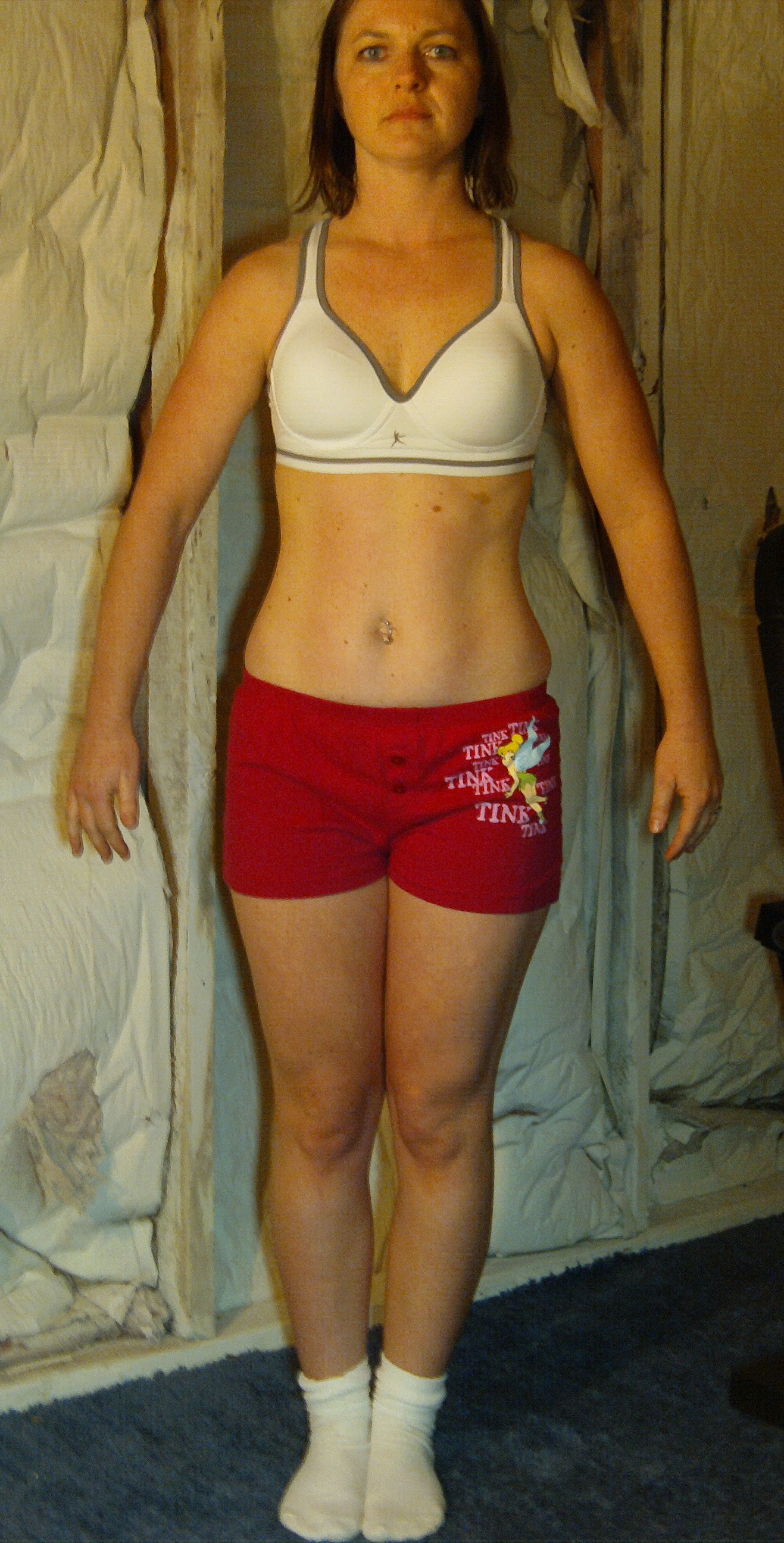
Go from this… 121 lbs.


To This… 102.2 lbs.

Nicole Did! And YOU can too!

**Winner will receive 3 months of Nutrition Plans and 3 months of On-line training!

(If you live in the Reno area… you have a choice to do either on-line or personal training. If you choose personal training you will get 2 sessions per week for 1 month. Equals 8 sessions.)

(If one of my current clients win… you can’t use these sessions in place of what you already do. You can add them as extra sessions per week.)

Click on links below to purchase your TODAY!

1 Ticket = $5
5 Tickets = $20
15 Tickets = $ 50

Prize is worth over $600!

Buy 1 ticket for $5 and it could be yours!

Buy more tickets to increase your chances of winning!!!

Drawing will be held
September 20, 2010!

Thank you for your support! 🙂

Team PHAT at 2010 INBA Nevada State